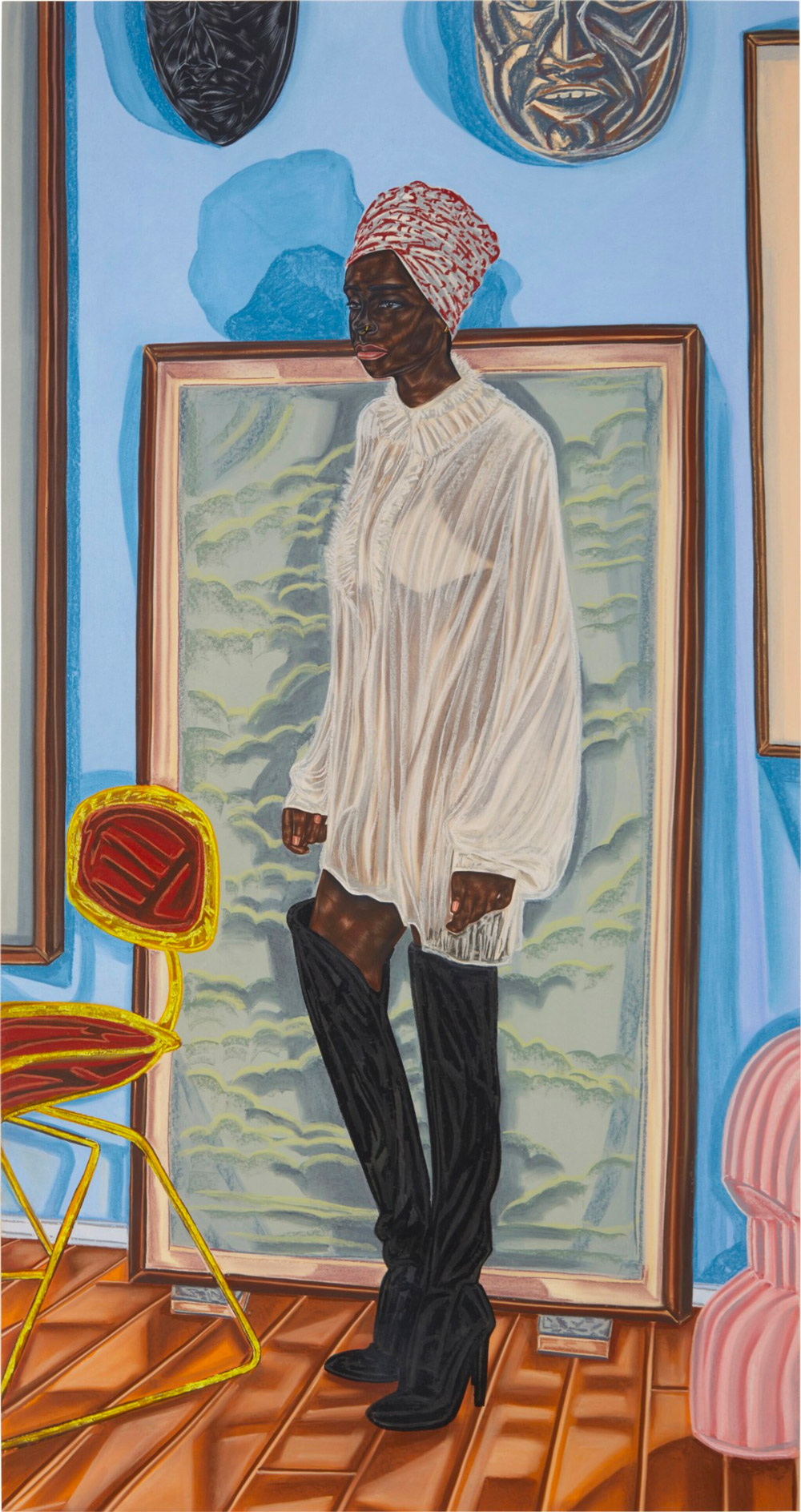
De la Tate Modern à Lagos, des musées aux foires, le Nigeria s’impose comme la matrice la plus cohérente des modernités africaines. Faite de transmission, d’institutions et de puissance économique, cette histoire trouve aujourd’hui une résonance mondiale.
Cette année, et particulièrement cet automne, le Nigeria est partout. À New York, le MoMA met en avant ses artistes. À Londres, la Tate Modern consacre une exposition magistrale à son histoire moderniste. À Paris, le Musée d’art moderne lui rend hommage. Aux Émirats, la foire Abu Dhabi Art Fair présentait fin novembre un focus spécial Nigeria. À Antananarivo, la Fondation H expose un pionnier de sa scène contemporaine. Et à Benin City, un nouveau musée, le Museum of West African Art (MOWAA), vient de voir le jour, avec une exposition inaugurale réunissant les ténors de la scène contemporaine nigériane. De la fin du XIXe siècle aux artistes d’aujourd’hui, la trajectoire nigériane est remarquable par sa continuité. Dans un continent souvent décrit à travers des renaissances sporadiques, le Nigeria incarne une modernité durable, enracinée dans l’histoire et constamment réinventée. Cependant, ce miracle nigérian est méthodique. Il est né de luttes intellectuelles, de réformes éducatives et d’une économie culturelle soutenue par des acteurs locaux.
Une modernité sous colonisation
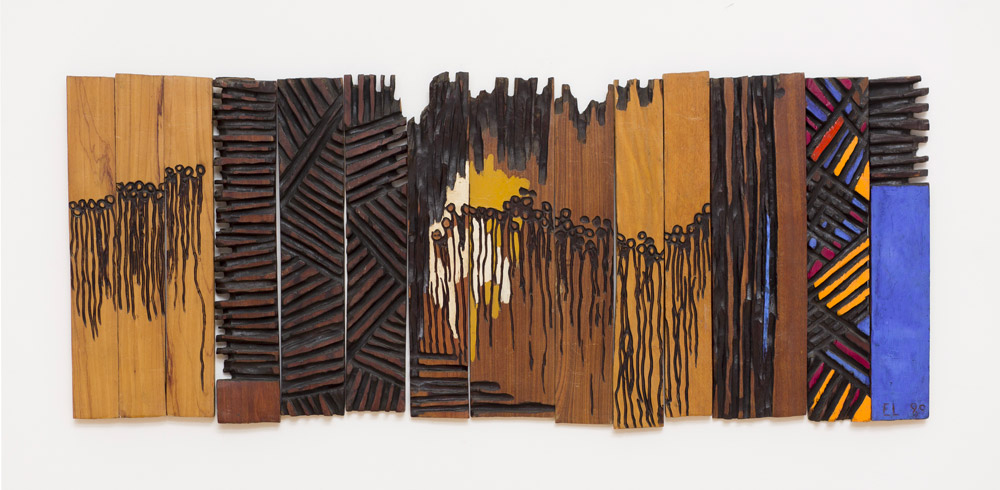
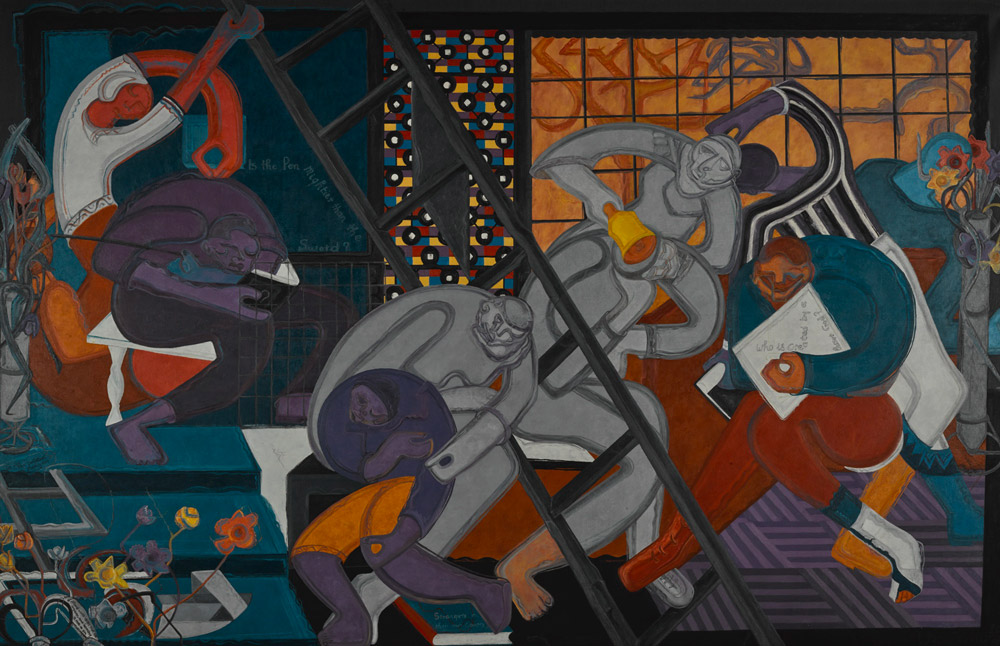
« Nigerian Modernism » à la Tate Modern, à Londres, est la première exposition institutionnelle d’envergure à embrasser un siècle d’histoire artistique du pays. Plus de 300 œuvres, 50 artistes, de la fin du XIXe siècle aux années 1990. Une période jalonnée par l’époque coloniale, les mouvements vers l’indépendance et les premières décennies de la nation nigériane. La modernité en art est née de cette rencontre entre l’Afrique et l’Occident, de ses échanges, de ses frictions, de ses mutations techniques et esthétiques.
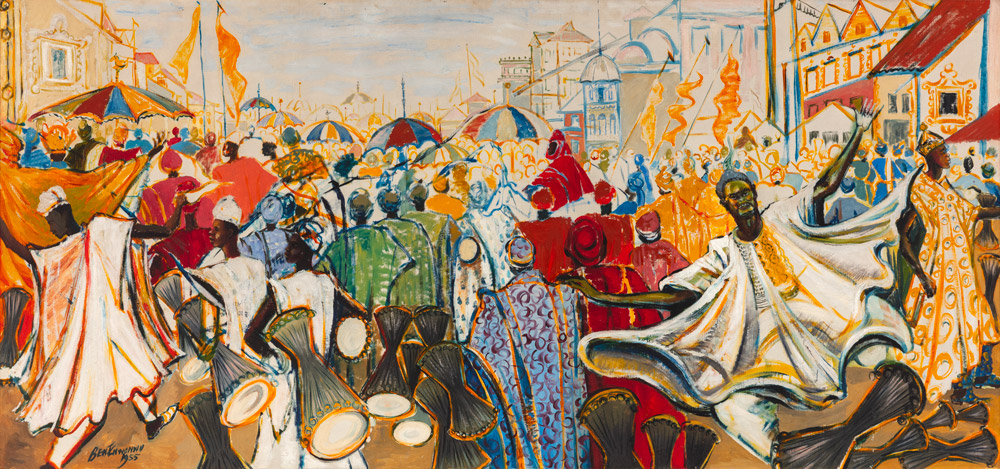
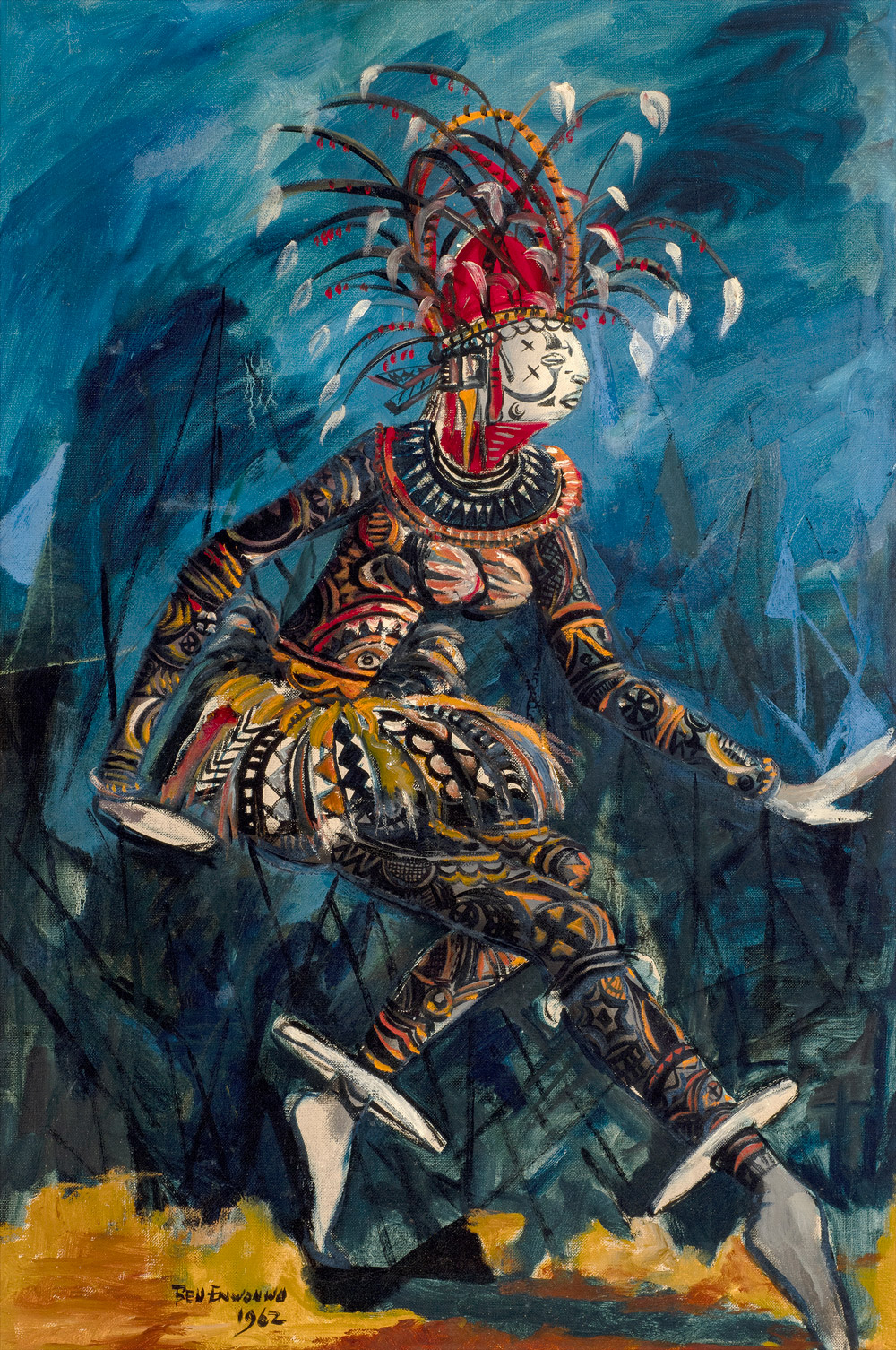
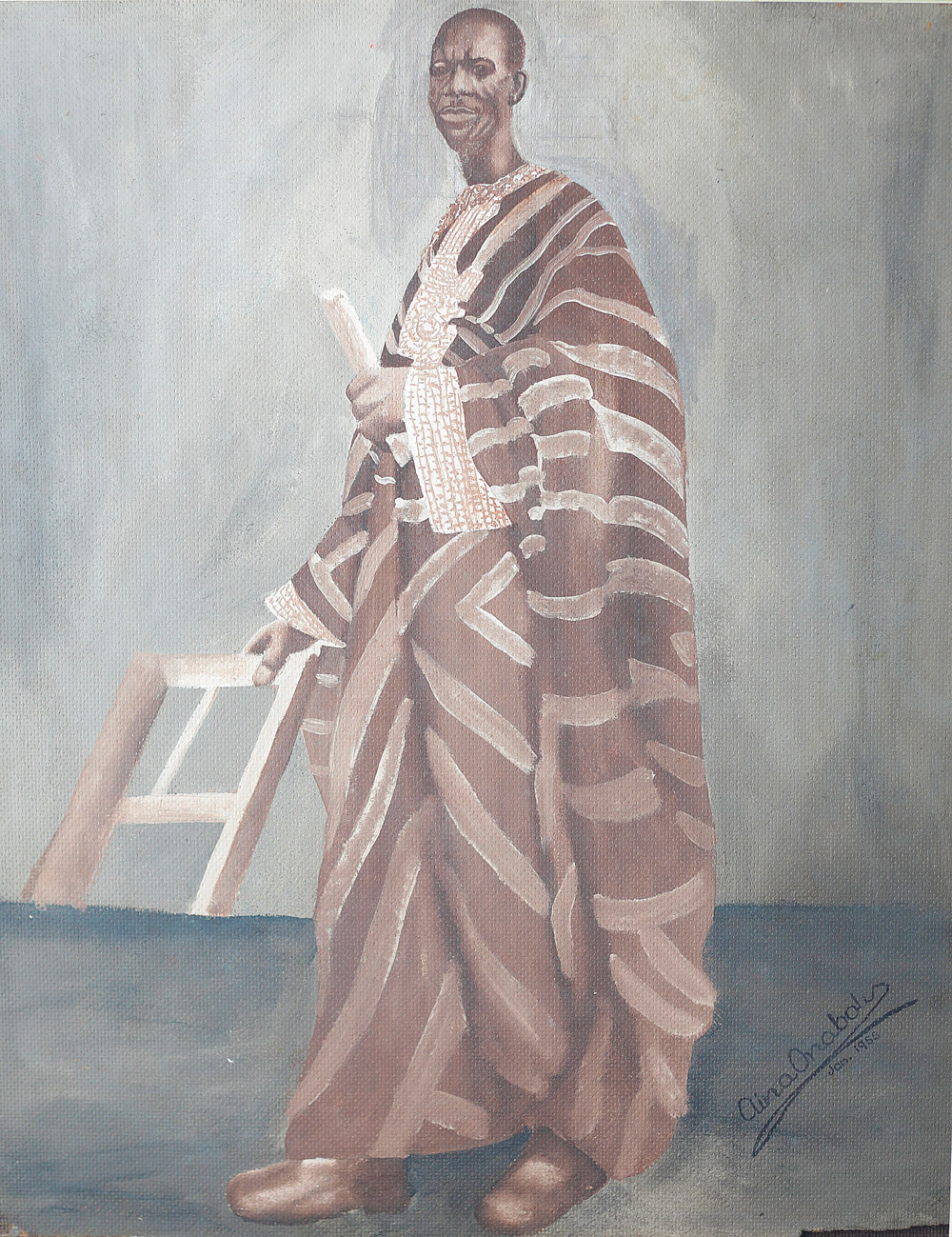
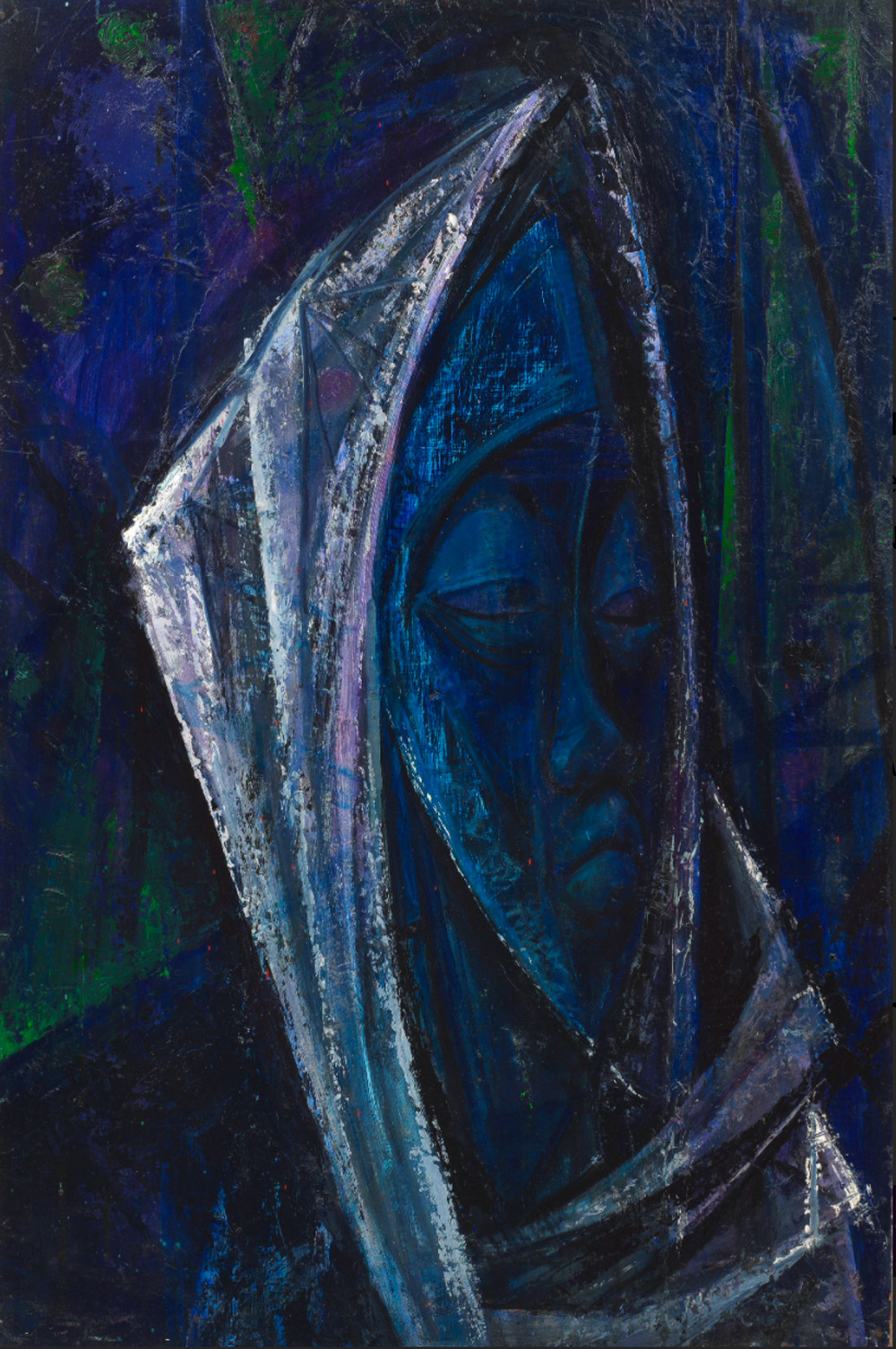
À la fin du XIXe siècle, Aina Onabolu (1882-1963) ouvre la voie. Autodidacte, il apprend à peindre en copiant les illustrations des livres européens. Refusant le confinement dans l’art « traditionnel » imposé par les colons, il milite pour une éducation artistique moderne, accessible aux Nigérians. Premier professeur d’art de la colonie après des études en Europe, il prône un art figuratif et réaliste. Il pose un geste éminemment anticolonial. Son élève Akinola Lasekan (1916-1972) poursuit cette quête en puisant dans les mythes yorubas, tandis que Ben Enwonwu (1917-1994), star du modernisme nigérian auquel l’exposition de la Tate consacre une salle entière, propulse le mouvement sur la scène internationale. Élève du Britannique Kenneth C. Murray, il se nourrit des deux visions : l’héritage africain et la formation occidentale. Véritable panafricaniste, proche du mouvement de la Négritude, il valorise la beauté noire et la culture nigériane, en puisant dans la tradition picturale européenne. Pour Osei Bonsu, commissaire de l’exposition, « l’ascension d’Enwonwu, travaillant entre Londres, Lagos et les États-Unis, a ouvert la voie à toute une génération post-indépendance. Il est, à bien des égards, le plus grand artiste moderne africain ».
Un miracle continu
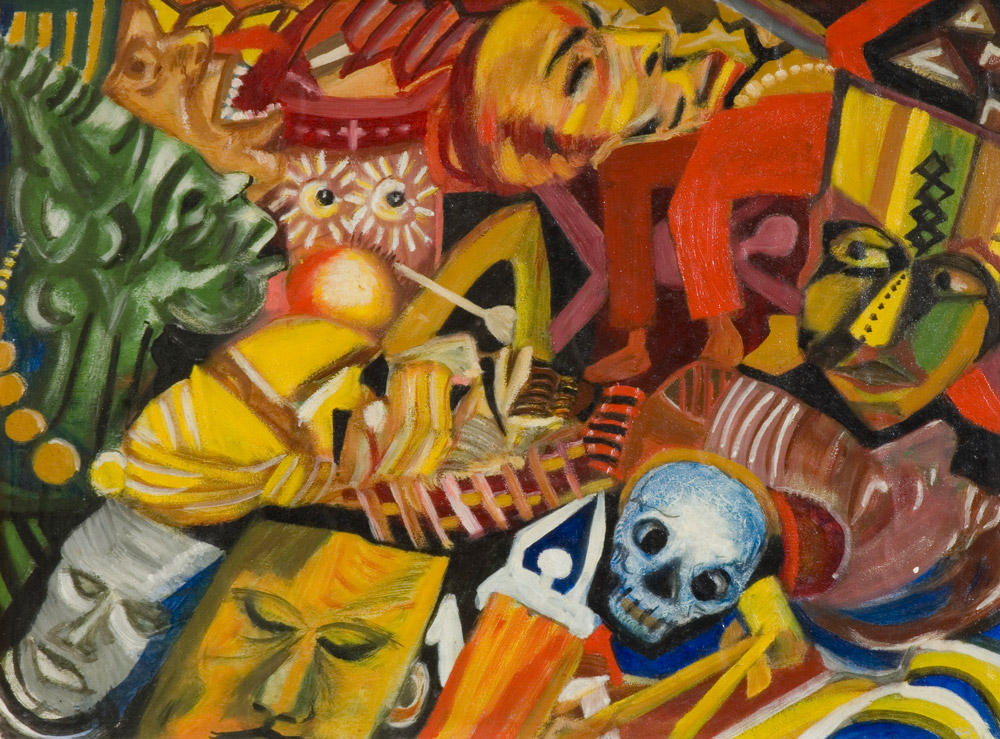
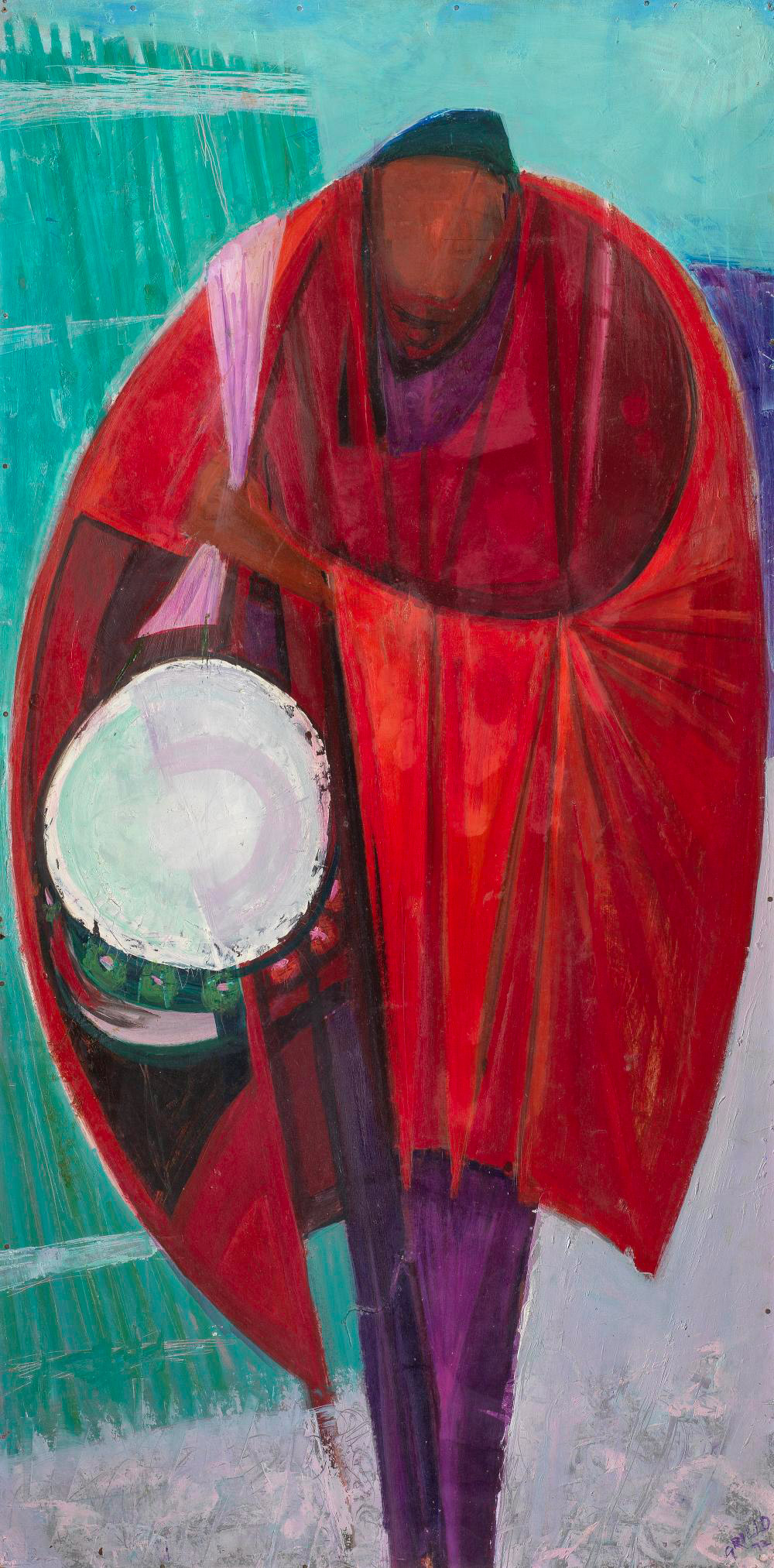
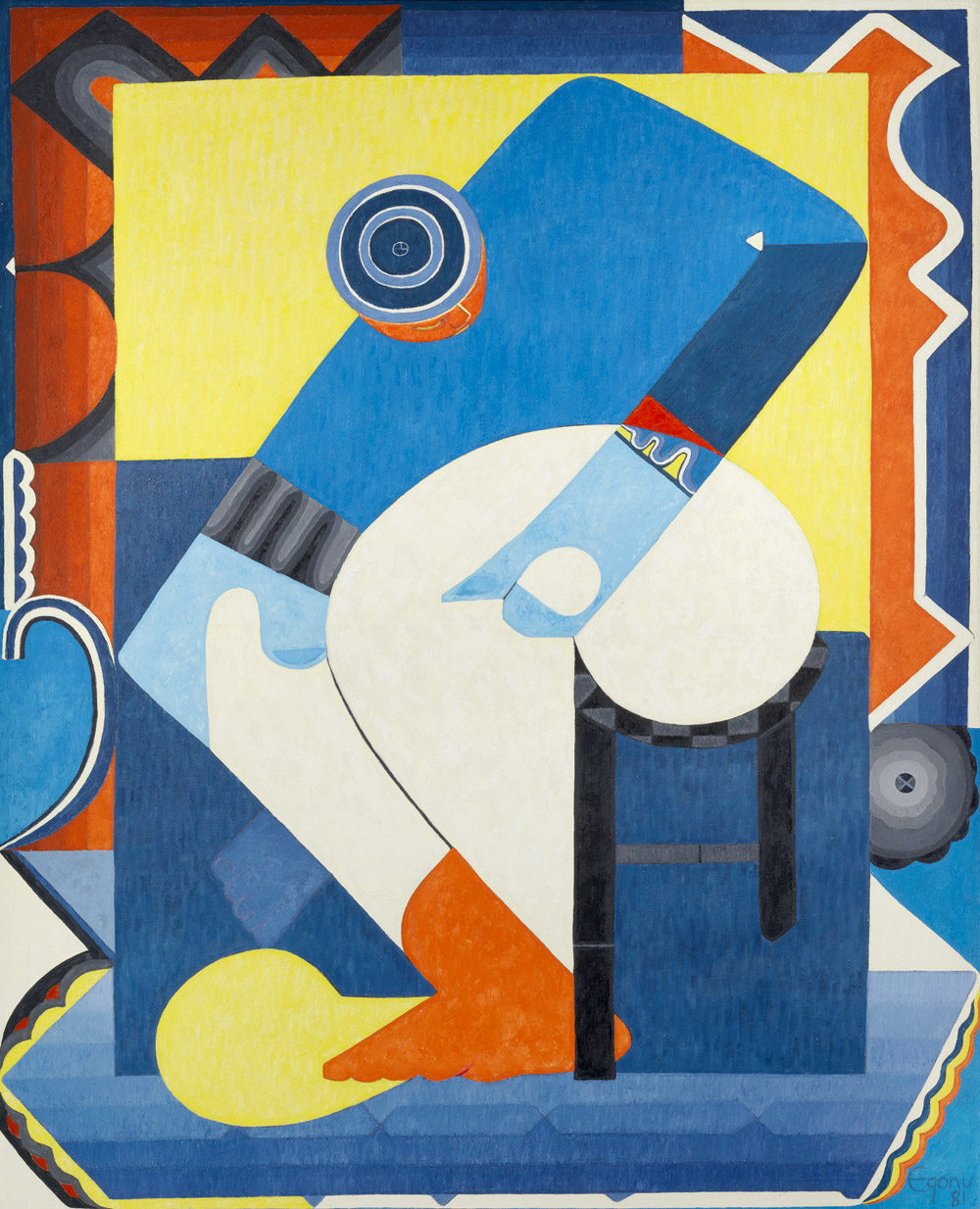
À la veille de l’indépendance, une nouvelle génération s’organise. En 1958, Uche Okeke (1933-2016), Simon Okeke (1937-1969) et Demas Nwoko (né en 1935) fondent la Zaria Art Society pour repenser une éducation encore trop eurocentrée. Leur concept-clé : la « synthèse naturelle », une esthétique nationale mêlant les patrimoines nigérians et les techniques européennes héritées. Nwoko s’inspire des sculptures en terre cuite Nok, Bruce Onobrakpeya (né en 1932) explore les gravures d’Edo et du Bénin, Yusuf Grillo (1934-2021) conjugue symbolisme chrétien et iconographie yoruba. Ensemble, ils forment une école profondément consciente de son rôle politique : inventer une modernité africaine par elle-même. Leur influence traverse les décennies : dans les années 1960, le Mbari Club et le journal Black Orpheus prolongent ce dialogue entre arts et littérature panafricaine. Puis vient la guerre civile du Biafra (1967-1970), qui interrompt brutalement cet élan. Mais de ces cendres renaît et se poursuit l’idée de synthèse naturelle : Uche Okeke, à la tête de la Nsukka School, revisite les traditions Igbo à travers l’art de l’uli, alliant abstraction et signes corporels, une esthétique qui inspirera nombre d’artistes contemporains.
Ancrages contemporains à Lagos et au-delà
Ce qui distingue le modèle du Nigeria de tout autre modèle continental, c’est sa puissance continuelle. Depuis les années 2000, l’héritage moderniste a été consolidé par des fondations (Bruce Onobrakpeya Foundation, Ben Enwonwu Foundation) et un marché local d’une vitalité rare. Pionniers dès le début du modernisme, les collectionneurs nigérians sont aujourd’hui parmi les plus influents du continent, renforcés par une économie nationale dynamique. Des galeries ou maisons de vente aux enchères comme Arthouse Contemporary, fondée à Lagos en 2007 par Kavita Chellaram, ont structuré le marché local, tandis que des chercheurs comme Sylvester Ogbechie ou Chika Okeke-Agulu ont ancré cette histoire dans les études globales. Les universités s’assemblent également aux collectionneurs pour un meilleur accès des œuvres au public. C’est l’exemple du collectionneur Yemisi Adedoyin Shyllon, qui en 2015 a fait don d’une importante partie de sa collection à la Pan-Atlantic University de Lagos, pour l’établissement du Yemisi Shyllon Museum of Art. Cette combinaison d’institutions, collectionneurs, chercheurs, universités et d’un marché forme le socle de ce miracle nigérian.Les grandes maisons occidentales l’ont bien compris : depuis la création des départements d’art africain chez Bonhams (2007) puis Sotheby’s (2016), les artistes nigérians dominent les ventes. En 2018, le portrait de la princesse Adetutu Ademiluyi – Tutu (1974) – par Ben Enwonwu atteignait 1,2 million de livres chez Bonhams. C’est le record symbolique d’une reconnaissance mondiale.
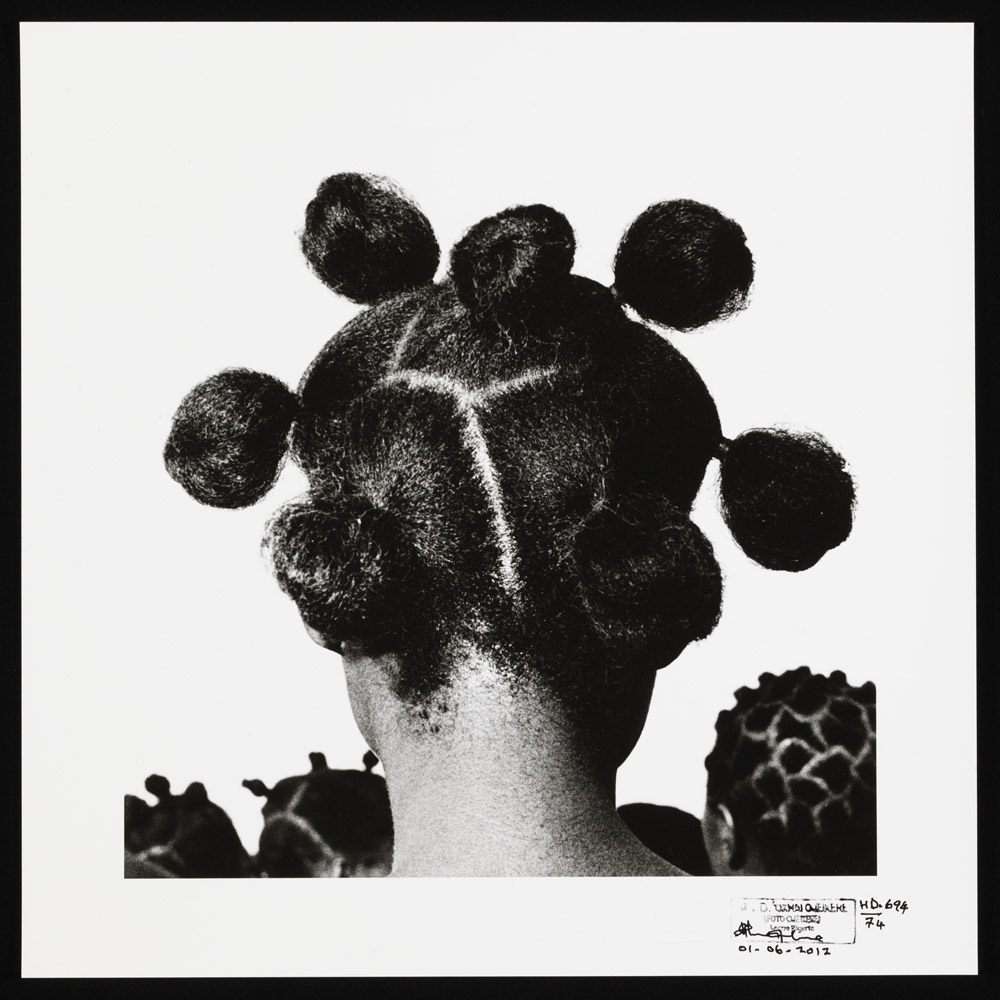
Dans cette effervescence, Lagos reste la capitale d’un présent dynamique. La foire Art X Lagos, pour sa dixième édition (6-9 novembre 2025), a célébré le photographe J. D. Okhai Ojeikere (1930-2014). La galerie Kò Art Space rend hommage à l’école moderniste d’Osogbo, tandis que Tiwani Contemporary explore les oralités yorubas avec Nifemi Marcus-Bello. Quant à Dada Gallery, fondée à Londres par Oyinkan Dada, elle inaugure son second espace à Lagos avec l’exposition « The Beautyful Ones », réunissant sept jeunes artistes autour du roman culte d’Ayi Kwei Armah. À Benin City, la création du Museum of West African Art (MOWAA), dédié à l’art classique, moderne et contemporain, assure un ancrage supplémentaire. Conçu dans le contexte des débats sur la restitution, il se veut laboratoire pour une nouvelle génération d’artistes et de chercheurs. « Nous avons voulu élargir le débat sur la restitution vers une réflexion créative et prospective », explique Ore Disu, sa directrice. Le lieu est hautement symbolique : Benin City fut le théâtre du pillage de milliers d’objets en bronze et en ivoire dans le palais royal de l’Oba, par les Britanniques en 1897. L’exposition inaugurale, « Nigeria Imaginary : Homecoming », conçue par Aindrea Emelife, prolonge le pavillon nigérian de la Biennale de Venise 2024, qui avait permis de présenter la nouvelle ergonomie culturelle nationale à l’échelle internationale. Onze artistes y (ré) inventent la nation : Yinka Shonibare, Toyin Ojih Odutola, Precious Okoyomon, Ndidi Dike, Kelani Abass… « Il s’agissait d’imaginer d’autres possibles pour le Nigeria, d’autres récits, d’autres futurs », souligne Emelife. Toutefois, le musée privé à vocation nationale et régionale est confronté à des obstacles locaux socio-politico-historiques qui entravent et retardent son inauguration officielle, initialement prévue pour le 11 novembre. La mission même du musée, son site et sa présence à Benin City sont contestés. Des protestataires se sont immiscés dans l’enceinte de l’établissement, accusant le MOWAA de détourner les initiatives locales et de ne pas assez honorer l’Oba actuel du Bénin, descendant du roi victime du pillage britannique, notamment par le nom choisi pour le musée. Les discussions sont en cours entre les officiels pour trouver une voie de dénouement.Née d’un dialogue précoce avec l’Occident, nourrie par des institutions locales, soutenue par une économie solide et une diaspora active, la modernité artistique du Nigeria est devenue un modèle continental. On peut dire que le « miracle nigérian » est le fruit d’une construction. Aujourd’hui, les artistes contemporains, de Yinka Shonibare à Otobong Nkanga, prolongent cette histoire par des œuvres enracinées dans les traditions visuelles anciennes, tout en dialoguant avec la mondialisation. « Ramener ces œuvres dans le présent, c’est montrer que la pratique africaine contemporaine n’est pas sans racines », insiste Osei Bonsu. Le Nigeria démontre qu’en Afrique, la modernité n’a pas été importée : elle a été inventée, transmise et réinvestie. C’est une modernité en mouvement, et elle reste une force vive.
Par Magali Ohouens
From Tate Modern to Lagos, from museums to art fairs, Nigeria has emerged as the most coherent matrix for African modernisms, an ecosystem built on transmission, institutions and economic power that now resonates globally.
This year, and especially this fall, Nigeria is everywhere. In New York, MoMA is spotlighting its artists. In London, Tate Modern has mounted a sweeping exhibition dedicated to its modernist history. In Paris, the Musée d’Art Moderne is paying tribute. In the Emirates, Abu Dhabi Art presented a special Nigeria focus at the end of November. In Antananarivo, Fondation H is celebrating one of the pioneers of the contemporary scene. And in Benin City, a major new institution, the Museum of West African Art (MOWAA), has just opened with an inaugural show bringing together leading figures of contemporary Nigerian art.
From the late nineteenth century to the present, Nigeria’s trajectory stands out for its continuity. On a continent often described in terms of brief renaissances, Nigeria embodies a durable modernity, rooted in history yet constantly reinvented. This “miracle” is methodical. It grew out of intellectual struggle, educational reform and a cultural economy driven by local actors.
Modernity under colonial rule
“Nigerian Modernism,” at Tate Modern in London, is the first major institutional exhibition to embrace a full century of the country’s artistic history. More than 300 works by 50 artists trace a narrative that runs from the late 1800s through the 1990s, spanning colonial rule, independence movements and the early decades of the Nigerian nation. Modernity in art emerged through the encounter between Africa and the West, through exchanges, frictions and profound technical and aesthetic shifts.
At the turn of the twentieth century, Aina Onabolu (1882–1963) opened the way. Self-taught, he learned to paint by copying European book illustrations. Refusing the colonial confinement of so-called “traditional” art, he campaigned for modern art education accessible to Nigerians. After training in Europe, he became the colony’s first art teacher and argued for figurative, realist painting, an emphatically anti-colonial gesture.
His student Akinola Lasekan (1916–1972) drew on Yoruba mythologies, while Ben Enwonwu (1917–1994), a star of Nigerian modernism awarded an entire room at Tate, propelled the movement onto the international stage. Trained by the British educator Kenneth C. Murray, Enwonwu navigated both an African heritage and Western academic formation. Close to the Negritude movement, he championed Black beauty and Nigerian culture while drawing upon European pictorial traditions. According to curator Osei Bonsu, “Enwonwu’s rise, working between London, Lagos and the United States, paved the way for an entire post-independence generation. In many respects, he is the greatest African modern artist.”
A Miracle that endures
On the eve of independence, a new generation began to organize. In 1958, Uche Okeke (1933–2016), Simon Okeke (1937–1969) and Demas Nwoko (born 1935) founded the Zaria Art Society to rethink an art education still shaped by Europe. Their key concept, “natural synthesis,” sought a national aesthetic that combined Nigerian heritage with European-influenced techniques.
Demas Nwoko drew inspiration from Nok terracottas. Bruce Onobrakpeya explored Edo and Benin visual traditions. Yusuf Grillo combined Christian symbolism with Yoruba iconography. Together, they formed a school deeply aware of its political mission: to invent an African modernity from within.
Their influence continued. In the 1960s, the Mbari Club and the journal Black Orpheus extended the dialogue between the visual arts and Pan-African literature. The Biafran War interrupted this momentum, yet the idea of “natural synthesis” resurfaced. Leading the Nsukka School, Uche Okeke revisited Igbo traditions through uli, fusing abstraction with bodily signs, shaping an aesthetic that would inspire many contemporary artists.
Contemporary groundings in Lagos and beyond
What distinguishes Nigeria’s model from others on the continent is its sustained strength. Since the 2000s, modernist legacies have been reinforced by foundations such as the Bruce Onobrakpeya Foundation and the Ben Enwonwu Foundation, alongside a vibrant domestic art market. Nigerian collectors, present since the early days of modernism, are now among the most influential in Africa.
Institutions such as Arthouse Contemporary in Lagos have helped structure the market, while scholars like Sylvester Ogbechie and Chika Okeke-Agulu have situated Nigeria’s story within global art histories. Universities have joined forces with collectors to expand public access. In 2015, Yemisi Adedoyin Shyllon donated a major part of his collection to Pan-Atlantic University, establishing the Yemisi Shyllon Museum of Art. This interplay between institutions, collectors, scholars, universities and a functioning market underpins what many describe as the Nigerian miracle.
Western auction houses took note. When Bonhams and later Sotheby’s began to highlight African art, Nigerian artists quickly dominated sales. In 2018, Ben Enwonwu’s Tutu, depicting Princess Adetutu Ademiluyi, sold for £1.2 million at Bonhams, a symbolic milestone in global recognition.
Lagos remains the beating heart of this dynamic present. Art X Lagos celebrated photographer J. D. ‘Okhai Ojeikere. Kò Art Space revisited the modernist Osogbo school. Tiwani Contemporary explored Yoruba oral traditions with Nifemi Marcus-Bello. Dada Gallery, founded in London, opened a second space in Lagos with The Beautyful Ones, inspired by the novel by Ayi Kwei Armah.
In Benin City, the Museum of West African Art adds a new institutional anchor. Conceived within broader debates on restitution, it positions itself as a laboratory for future generations of artists and researchers. The setting is highly symbolic, in a city marked by the 1897 British plunder of royal bronzes and ivories. Its inaugural exhibition, Nigeria Imaginary: Homecoming, curated by Aindrea Emelife, extends the spirit of the Nigerian Pavilion at the Venice Biennale 2024, gathering artists such as Yinka Shonibare, Toyin Ojih Odutola, Precious Okoyomon, Ndidi Dike and Kelani Abass. Local political and historical tensions, however, have delayed the museum’s official opening, and negotiations are ongoing.
Born of an early dialogue with the West, nourished by local institutions, supported by a solid economy and an active diaspora, Nigeria’s artistic modernity has become a continental model. The Nigerian miracle is not an accident. It was built, transmitted and continually reimagined. Today, artists from Yinka Shonibare to Otobong Nkanga carry that story forward, rooting their work in long visual traditions while speaking to a globalized world. As curator Osei Bonsu notes, bringing these works into the present reminds us that contemporary African practice is not without roots. Nigeria shows that modernity in Africa was not imported. It was invented. And it remains in motion.
Magali Ohouens